
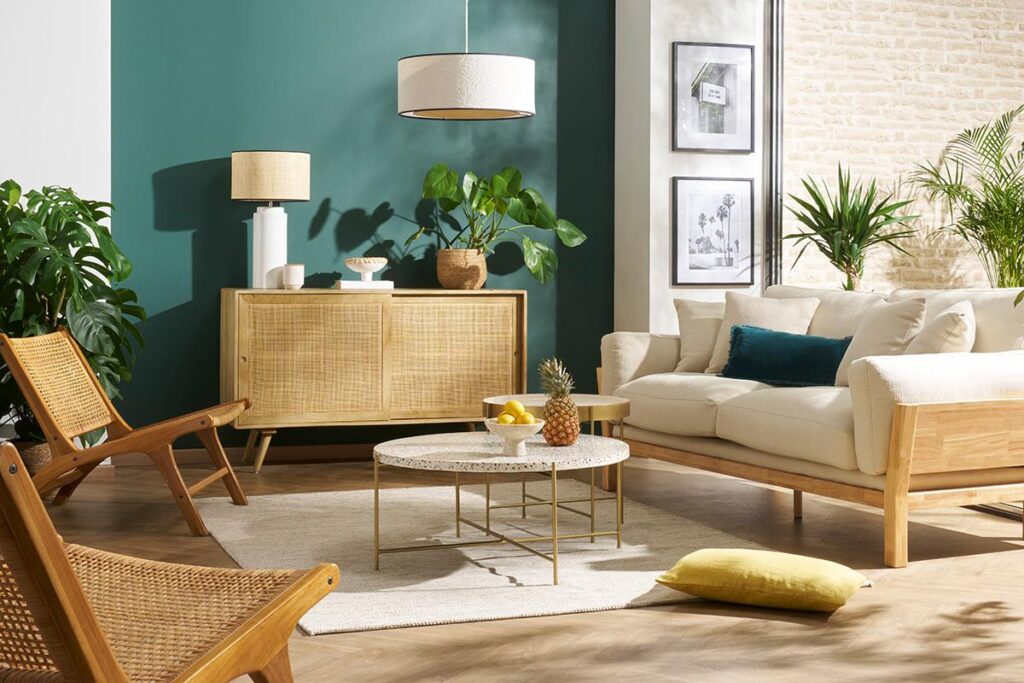
Eco-Friendly Interior Ideas for a Healthier Home
An eco-friendly home is designed with choices that reduce unnecessary waste and make better use of natural resources. You do not need to make major changes immediately. Small improvements in furniture, lighting and everyday habits can also contribute.
Choose Natural and Durable Materials
Materials such as responsibly sourced wood, bamboo, cotton and jute can be considered when planning your interiors.
Choose products that are durable and suitable for regular use. Buying furniture that lasts longer can help reduce the need for frequent replacements.
Before selecting any material, check its quality, maintenance requirements and environmental claims.
Bring Nature Indoors
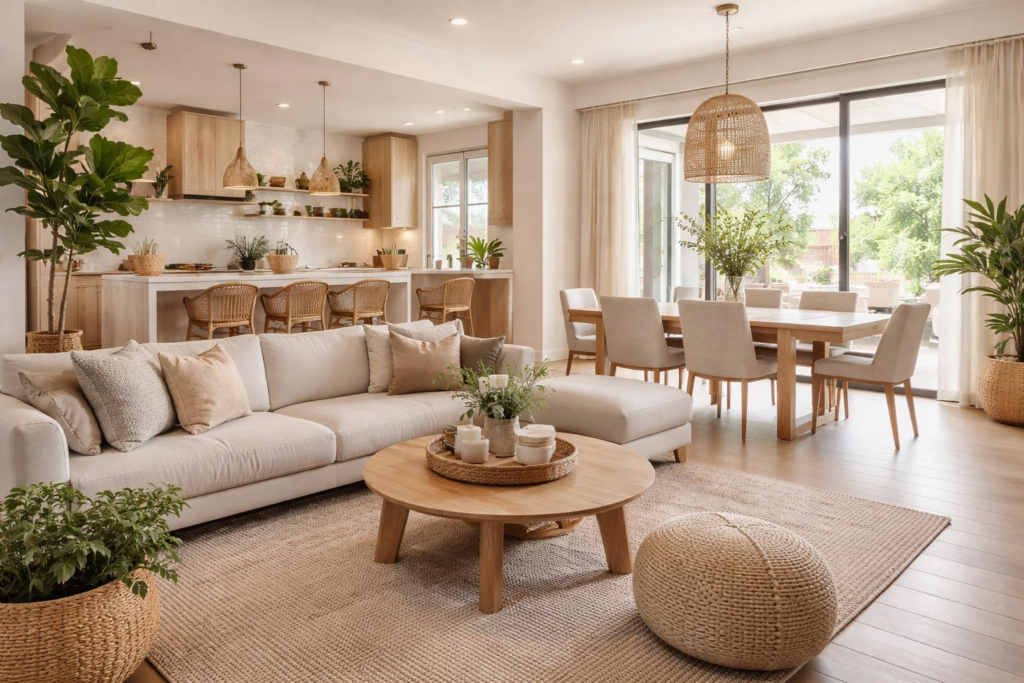
Indoor plants can add freshness and natural beauty to your home. You can place suitable plants near windows, in living room corners or on shelves.
Choose plants according to the available sunlight and the amount of care you can provide.
Natural textures, wooden finishes and cotton fabrics can also create a warm and welcoming atmosphere.
Make Better Use of Natural Light
Use daylight whenever possible. Arrange furniture in a way that does not unnecessarily block windows.
Light-coloured walls and suitable curtains can help make rooms feel brighter.
Choose Energy-Efficient Lighting
LED lights are a practical option for many homes. They are available in different shapes, brightness levels and colour temperatures.
Switching off unnecessary lights and appliances is another simple way to reduce energy use.
Reduce Unnecessary Purchases
You do not need to replace every item when updating your interiors. Reuse furniture that is still in good condition and select decorations that serve a purpose.
Choosing long-lasting products can help reduce household waste.
Conclusion
Eco-friendly interior design is about making thoughtful choices. Natural materials, suitable indoor plants, energy-efficient lighting and durable furniture can help create a comfortable home while reducing unnecessary waste.
